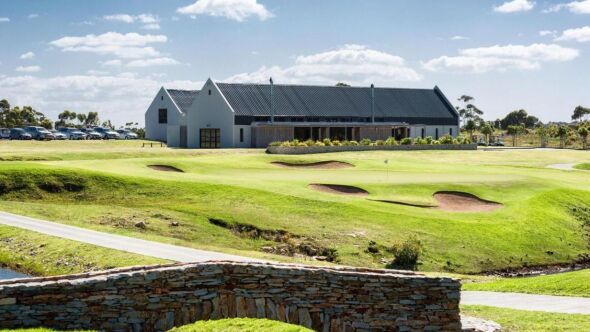
Known locally as “The Hill”, Port Elizabeth Golf Club stands as a testament to South Africa’s rich golfing heritage while offering a modern, enjoyable experience for golfers of all levels. Nestled in the heart of Gqeberha (formerly Port Elizabeth) in the Eastern Cape, this historic 18-hole parkland course (par 72, approx. 6,121 metres) combines tree-lined fairways, strategic bunkers and coastal winds to create a memorable round. Whether you’re a local regular or a tourist planning a golf trip, our comprehensive guide will walk you through the club’s history, course layout, signature holes, playing tips by handicap, facilities, and even suggestions for accommodation and nearby attractions.
History and Heritage of Port Elizabeth Golf Club
Port Elizabeth Golf Club is the second-oldest registered golf club in South Africa, founded in 1890. With over a century of golf played here, the club has earned a revered spot in the country’s sporting history. Originally established near Port Elizabeth’s North End and later moved to its current Mill Park location, the club quickly became the region’s golfing hub. Locals affectionately nicknamed it “The Hill” due to its slightly elevated terrain and location in the city.
Over the decades, PE Golf Club has been the venue for numerous championships and notable events. It hosted one of the earliest South African Opens in the early 1900s and has seen legends of the game walk its fairways. An interesting anecdote from the club’s past: in 1917 a small airplane made an impromptu landing on the course’s fairway – the wooden propeller from that plane still hangs proudly in the clubhouse as a quirky piece of memorabilia!
Throughout the 20th century, the club thrived as a center of golfing culture in the Eastern Cape. By the 1980s it was one of the busiest courses in the country, with tens of thousands of rounds played annually. Economic ups and downs did come (nearby clubs even closed over time), but Port Elizabeth Golf Club endured. In the early 2000s, the course underwent a major upgrade (2001–2002) to keep pace with modern standards: greens were rebuilt and contoured, bunkers redesigned, and two new holes were added (adjusting the course from its original par 73 to the current par 72). These improvements have preserved the classic charm of “The Hill” while ensuring a high-quality golf experience.
Today, Port Elizabeth Golf Club’s rich heritage is evident everywhere – from historical photos and trophies in the clubhouse to longstanding traditions like the “Union Day Foursomes” (a competition dating back to 1910). Yet the club isn’t just stuck in the past; it’s a lively, inclusive members’ club that embraces modern golf culture. In 2015, for example, it hosted the South African Amateur Championship, reaffirming its status as a championship venue. The club celebrated its 125th anniversary in 2015 and continues to be a cornerstone of Eastern Cape golf. When you play here, you’re not only enjoying a round of golf – you’re walking in the footsteps of history on the same fairways that shaped South African golf tradition.
Course Layout and Design
Port Elizabeth Golf Club’s layout is a classic parkland-style course set on gently rolling terrain. At first glance it appears inviting rather than intimidating – the course isn’t excessively long (around 6,1 kilometres from the back tees) and features generous fairways by design. However, don’t be fooled by its friendly appearance: strategic design elements and Mother Nature ensure a challenging yet fair test for golfers.
The course is characterized by lush fairways lined with mature trees and shrubs, so accuracy off the tee is rewarded. Many holes feature gentle doglegs – you’ll encounter both left and right bending fairways around tall pines and native foliage, requiring you to shape shots or choose clever angles. In total there are about 25 bunkers peppered throughout the course, each trickily positioned to catch errant drives or misjudged approach shots. Bunkers guard several greens and lie in wait at some corner of doglegs, so placement is often more important than distance.
Water hazards come into play on 3 holes, adding drama and risk-reward decisions to the round. Most notable is the large lake guarding the signature 17th (more on that later), but keep an eye out for streams or ponds on a couple of earlier holes as well. These hazards, while not abundant, tend to be memorable and can grab your ball if you’re not focused.
The greens at The Hill are known for being large and undulating. Thanks to the early-2000s redesign, the putting surfaces have modern contours – meaning long, breaking putts are common if your approach isn’t close. Getting the pace right on these greens can be tricky for first-timers. The upside of their size is that greens are generally receptive and provide multiple pin positions, which keeps the course interesting day to day.
Elevation change is mild but noticeable: the club didn’t get nicknamed “The Hill” for nothing. Several holes play uphill or downhill subtly, influencing your club selection. For example, one of the par-3s plays from an elevated tee down to a green in a valley, while some fairways rise and fall enough to give you scenic views of the surroundings (including glimpses of the city). The final stretch of holes is especially praised by regulars for variety: Hole 15 is a demanding dogleg-right par 4 that tests your drive; Hole 16 is a shorter, risk-reward par 4 where long hitters might try to drive the green; Hole 17 is the famous par 3 over water; and Hole 18 is a sweeping par 5 that doglegs left towards the clubhouse, often deciding matches or bets on the 18th green.
Coastal wind is a defining feature of playing golf in Port Elizabeth. The city is known as the “Windy City”, and the course’s design cleverly accounts for this. The holes are laid out in various directions rather than one fixed orientation, so no matter which way the wind blows on a given day, you’ll face a mix of headwinds, tailwinds, and crosswinds throughout your round. On a calm day, the course can yield good scores – it’s relatively forgiving and has a Course Rating of ~72.7 (from the back tees) with a slope of about 129, indicating a fair challenge for scratch golfers. But when the breeze kicks up off Algoa Bay, The Hill shows its teeth and can play a few strokes tougher. Locals will tell you that controlling ball flight under the wind and choosing the right club is key to mastering this course.
There are multiple tee boxes to accommodate different skill levels: championship tees (white) for the full 6+ km challenge, club tees (often blue) that play slightly shorter around 5,5 km, and forward/red tees at about 5,2 km which are ideal for higher handicappers or those seeking a more relaxed round. This tiered setup means golfers of all abilities can enjoy the layout without feeling overwhelmed, while still getting a taste of what makes Port Elizabeth GC special. Overall, the design strikes a balance – it’s rewarding for precision players, offers risk-vs-reward choices for the bold, and remains playable for newcomers. Expect a course that is at once forgiving in spots yet strategically challenging: a true classic parkland test that reflects the golden age of course design, polished with some modern enhancements.
Facilities and Amenities
Port Elizabeth Golf Club offers a full range of facilities to ensure your experience is comfortable both on and off the course. Here’s what you can expect when visiting PEGC:
- Clubhouse & Dining: The clubhouse is a warm, welcoming space steeped in history. After your round, head to the 19th hole (the clubhouse bar and lounge) to swap stories over a cold drink. The club’s restaurant and bar serve tasty meals, light snacks, and of course South African favourites – perfect for a post-game lunch or a relaxing sundowner on the terrace. The atmosphere is friendly and you’ll often find members socialising or watching golf on the TV. Don’t miss checking out the historical memorabilia on the walls, which give a sense of the club’s legacy. There’s also a halfway house (with a convenient coffee shop and even fresh bagels available) to grab a quick bite and refreshment as you make the turn between the 9th and 10th holes.
- Pro Shop: A fully stocked pro shop is on site, offering everything from golf balls and gloves to apparel and club gear. If you forgot any equipment or feel like picking up a souvenir with the club’s logo, the pro shop has you covered. The knowledgeable staff can assist with bookings, club rentals, and any last-minute needs. They can also provide insight into course conditions or helpful tips before you tee off.
- Practice Facilities: Golfers looking to warm up or hone their skills will appreciate the practice amenities. The club boasts a driving range (about 220 metres long) adjacent to the 10th hole area, which is open to both members and visitors. It’s ideal for loosening up your swing or practicing your long shots – buckets of balls are available for purchase at a reasonable price. Additionally, there’s a putting green and a chipping area in front of the clubhouse. These practice greens closely mimic the speed and roll of the on-course greens, so it’s wise to spend a few minutes getting a feel for them before you tee off. The practice area often has a few local regulars brushing up on their short game, and you might even see juniors from the club’s academy taking lessons.
- Golf Academy & Coaching: Port Elizabeth GC is home to the Graeme Whale Golf Academy, headed by the resident PGA professional. Whether you’re a beginner looking for a lesson or an experienced player wanting to fine-tune aspects of your game, coaching is available. The instructors offer private lessons, group clinics, and even playing lessons on the course. This commitment to game improvement highlights the club’s dedication to growing golf in the community, especially among youth.
- Equipment Hire: Traveling without your clubs? No problem – the club provides golf club rentals for visitors, as well as pull trolleys and golf carts (buggies) for hire. The course is walkable for those who enjoy strolling the fairways, but carts are available if you prefer to ride, or on days when the legs aren’t up for the hills. We recommend booking carts in advance, especially during busy periods, as the club has a limited fleet.
- Additional Amenities: Other nice touches include clean locker rooms with shower facilities (great if you want to freshen up after a hot round), and ample parking close to the clubhouse. The club is known to be family-friendly and even community-friendly – on certain designated trails around the course, you might see local residents walking their dogs or cyclists using the perimeter trail in off-peak times (a unique aspect of this course being part of public land). The overall vibe is relaxed and welcoming; you don’t have to be a member to feel at home here as a visitor.
In summary, Port Elizabeth Golf Club combines modern facilities with old-school charm. From the moment you arrive and are greeted by staff or a friendly member, to the time you wrap up your day with a drink on the veranda overlooking the course, you’ll have what you need. The club’s focus on hospitality, quality amenities, and maintaining a championship-caliber course condition makes it a top choice for golfing in the Eastern Cape.